The Challenge
Compliance work isn’t new. What’s changed is how much of it there is.
Trade associations manage renewals, certifications, verifications, and reporting across large and growing member groups. Much of this still depends on manual steps. Emails. Spreadsheets. Follow-ups.
Over time, that creates pressure. Not because teams aren’t careful, but because the process leaves too much room for things to slip.
That’s where compliance automation helps.
Most teams are dealing with the same realities:
- renewal deadlines to track
- documents to review and store
- eligibility rules to apply
- audit requests that arrive with little notice
Regulatory compliance reviews and real-world association experiences point to the same pattern. When processes are manual, it’s easier for steps to get missed, records to fall out of sync, and audit prep to turn into a rush.
The risk isn’t the people.
It’s the volume of repetitive work.
1. Clear compliance workflows
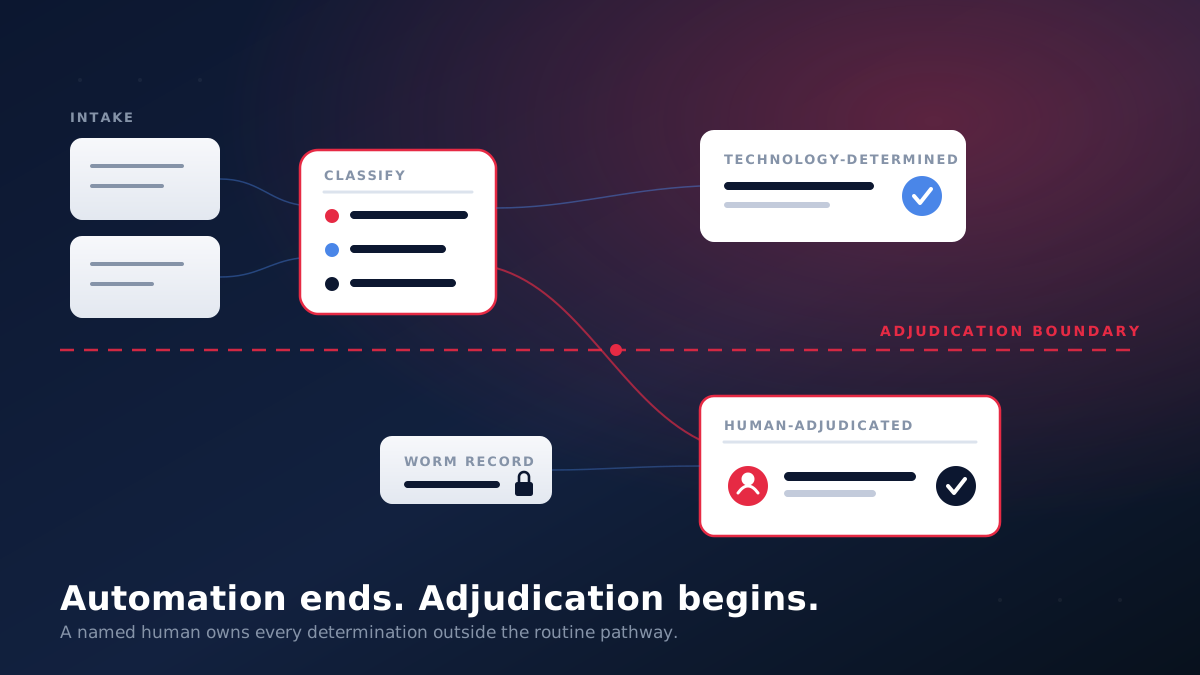
Regulatory compliance automation doesn’t replace decision-making. It handles the routine work consistently, so teams don’t have to.
Automation creates a clear path for each task:
- when renewals open
- what documents are required
- what happens if something is missing
- when reminders are sent
That keeps work moving without constant manual checks.
2. Built-in checks
Automated systems can:
- flag missing information
- catch expired documents
- prevent incomplete submissions
This improves data quality before issues turn into problems.
3. Records that are always ready
Instead of pulling things together at audit time, automation keeps records organized as work happens:
- timestamps
- history of changes
- clear compliance status
This aligns with how many federal and industry guidelines now approach ongoing compliance.
4. Association-specific uses
For trade associations, compliance automation often supports:
- member renewals
- certification tracking
- education or training verification
- vendor or partner compliance
- board and regulatory reporting
The goal is consistency through automation
The Result
Organizations that automate compliance usually see steady improvements:
- fewer missed deadlines
- less time spent on follow-ups
- cleaner records
- smoother audits
Association case studies often show faster renewal cycles and fewer member questions once automation is in place.
It doesn’t remove responsibility.
It makes the work easier to manage.
Key Takeaways
- Compliance automation reduces manual tracking
- Built-in checks improve accuracy
- Records stay organized without extra effort
- Audit prep becomes simpler
- Staff spend less time on repeat work
For compliance directors, automation is about control and clarity.
GovSoft helps trade associations take manual compliance work off their plate. Renewals, verifications, and reporting become easier to manage without losing visibility.
If you’re looking to clean up compliance processes without changing how your team works day to day, GovSoft can help you map out a simple next step.